Aircon Chemical Cleaning HVAC Singapore Mould Removal 2026
Why aircon chemical cleaning matters in Singapore 2026
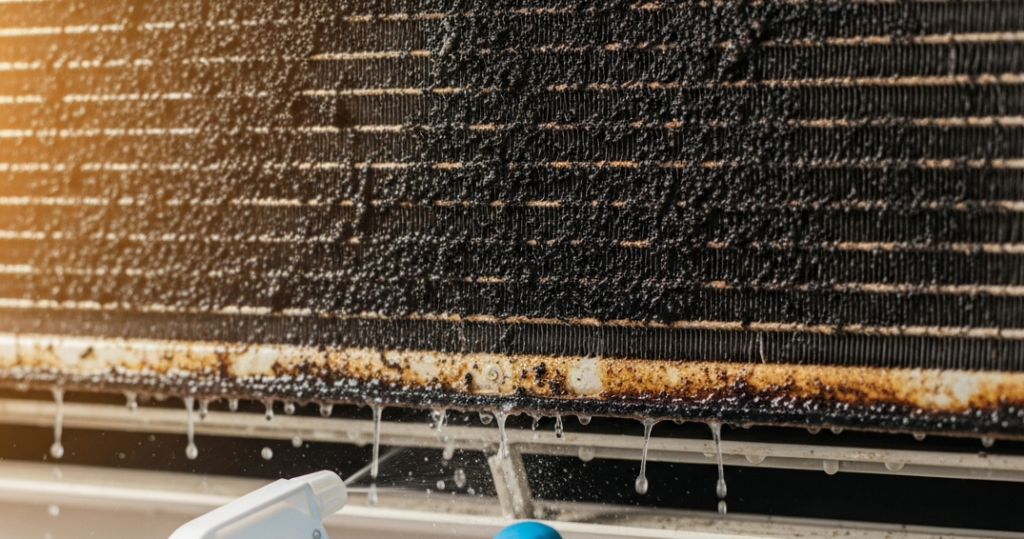
Singapore’s hot, humid climate means air conditioners run for long hours year-round. That continuous operation combined with moisture-prone indoor environments creates prime conditions for mould, biofilm and grime to accumulate inside indoor units and ductwork. Aircon chemical cleaning goes beyond a surface wipe: it uses professional-grade detergents and sanitising agents to dissolve grease, kill microbial growth and flush debris from coils, drain pans and blower assemblies.
For homeowners and offices, proper chemical cleaning improves indoor air quality (IAQ), restores cooling efficiency, reduces foul odours, and can extend equipment life — all critical as energy costs and sustainability expectations rise in 2026.
What is aircon chemical cleaning (and how it differs from regular servicing)
Routine servicing typically includes filter cleaning, checking refrigerant pressures, and general inspection. Chemical cleaning is deeper: technicians remove the indoor unit faceplate and apply formulated cleaners to the evaporator coils, fins, drain channels and other internal parts. The process may use foaming agents, acid or alkaline coil cleaners, and sanitising rinses followed by thorough water flushing.
This targeted approach addresses problems that ordinary servicing can’t fully remove, such as entrenched mould colonies, slimy biofilm that blocks condensate drains, and mineral buildup that reduces heat transfer efficiency.
Mould removal: methods, safety and effectiveness
Mould in aircon systems is more than an aesthetic problem. Spores and microbial volatile organic compounds (mVOCs) can aggravate allergies, asthma and general discomfort, particularly in enclosed office spaces and homes with vulnerable occupants.
Key elements of professional mould removal:
- Inspection and diagnosis: technicians identify affected components (coils, drain pan, ductwork) and sources of moisture.
- Mechanical cleaning: removal of loose debris and buildup to allow chemical agents to penetrate.
- Chemical treatment: application of EPA- or NEA-compliant disinfectants and mould inhibitors that kill spores and reduce regrowth.
- Rinse and deodorise: thorough flushing to remove residues plus neutralising agents to restore normal operation.
- Preventive advice: correcting drainage, improving ventilation, and scheduling regular maintenance.
Safety notes: licensed technicians should use PPE, ventilate spaces during treatment, and avoid overuse of harsh acids that can corrode aluminium coils. In Singapore, reputable providers follow environmental and safety guidelines while using biodegradable or low-toxicity products where possible.
Benefits for homeowners and offices
- Improved IAQ and comfort: fewer musty odours and lower airborne allergen loads.
- Better cooling performance: clean coils transfer heat more efficiently, leading to faster cooling.
- Lower energy bills: improved efficiency reduces runtime and electricity consumption.
- Reduced breakdown risk: removing deposits and blockages cuts stress on compressors and fans.
- Health protection: critical for families, elderly occupants and office environments where productivity can be impacted by poor air quality.
If you manage a building, consider linking chemical cleaning into your preventive maintenance schedule to keep tenant complaints and emergency repairs down.
How often should you schedule chemical cleaning?
Recommended frequency depends on usage and environment:
- Residential homes: every 12–24 months for split units in typical households; more frequent (6–12 months) if occupants have allergies or if the unit runs continuously.
- Offices / commercial spaces: every 6–12 months and more often for high-occupancy areas or spaces with food preparation.
- High-dust or seaside locations: increase frequency due to faster accumulation of salt and particulate.
Regular visual checks of filters and the presence of musty odours can help you decide when an earlier cleaning is needed.
Choosing a provider in Singapore: what to look for
Select a vendor that demonstrates technical competence, transparent pricing and compliance with local standards. Key criteria:
- Certifications and experience in HVAC and indoor air quality.
- Clear scope of work: which parts will be disassembled, chemicals used, and post-service testing.
- Warranty on services or parts and documented before/after photos.
- Use of eco-friendly chemicals where possible and proper disposal of wastewater.
- Positive reviews from local homeowners and commercial clients.
For a practical how-to and vetted company choices, consult a full aircon chemical cleaning guide focused on Singapore conditions.
Commercial considerations and energy efficiency
Commercial HVAC systems and centralised chillers require specialist attention. Well-executed chemical cleaning can improve thermal efficiency and reduce chiller runtime, which supports corporate sustainability targets and Green Mark aspirations. Many businesses in 2026 are coupling cleaning programs with energy audits and retrofits to maximise ROI.
If you manage commercial assets, explore bundled services such as a green commercial aircon service that integrate cleaning, refrigerant management and efficiency upgrades.
Trends for 2026: IAQ tech, greener chemicals and predictive maintenance
- Indoor Air Quality sensors: more buildings deploy continuous IAQ monitoring (CO2, PM2.5, humidity) to trigger maintenance, reducing unnecessary cleanings while catching problems early.
- Low-toxicity, biodegradable chemicals: suppliers now offer enzymatic and antimicrobial formulations that target biofilms while minimising environmental impact.
- Integration with HVAC controls: smart systems coordinate fan operation and drainage to reduce condensation and mould risk.
- Data-driven maintenance: predictive servicing based on run-hours and sensor data is replacing purely calendar-based schedules in many commercial operations.
These trends create opportunities for cost savings and healthier indoor environments. For promotional offers and service packages in 2026, check current aircon cleaning promo and expert repair listings.
DIY vs professional chemical cleaning: when to call an expert
DIY cleaning (filter washing, light coil foams) is fine for routine upkeep, but avoid attempting full chemical cleanings on complex units or ducted systems. Risks of DIY include:
- Damaging delicate fins and sensors.
- Incomplete removal of mould that quickly regrows.
- Improper chemical handling and wastewater disposal.
Call a licensed professional if you notice persistent odours, visible mould inside the unit, slow cooling despite clean filters, or water leakage from the indoor unit.
For urgent repairs or complex servicing, rely on an aircon repair expert experienced in Singapore’s HVAC systems.
Typical process and what to expect during a professional service
- Pre-service inspection and quotation.
- Isolation of power and removal of protective covers.
- Mechanical cleaning of debris and dust.
- Application of chemical cleaners and sanitiser to coils and pans.
- Thorough rinsing and drying.
- Reassembly, function test and documentation.
A professional provider should show before/after photos and explain corrective measures to prevent recurrence.
Cost considerations and value assessment
Costs vary by unit type, accessibility and extent of contamination. Expect higher rates for ducted systems, VRF installations, or units requiring deep-access work. Rather than choosing the cheapest option, evaluate:
- The provider’s track record and certifications.
- The clarity of the chemical safety data sheets (SDS) provided.
- Whether follow-up inspections are included.
Bundled service plans often provide the best long-term value by combining cleaning with refrigerant checks and minor repairs. Compare costs with projected energy savings to gauge payback.
For commercial clients focused on energy performance, consider integrated commercial aircon service energy efficiency programs that include cleaning plus optimisation measures.
Quick checklist before booking a service
- Confirm the scope: coils, drain pans, fans, ducts (if required).
- Ask about chemicals used and waste disposal practices.
- Request expected downtime and any access needs for technicians.
- Check for insurance, licensing and warranties.
- Request before/after documentation and a simple maintenance plan.
Final notes for Singapore homeowners and office managers
Aircon chemical cleaning is a practical investment in comfort, health and asset longevity — especially in Singapore’s humid climate. As HVAC trends evolve in 2026, combine regular deep-clean cycles with IAQ monitoring and energy-efficiency upgrades to protect occupants and reduce costs. For tailored options and local service packages, explore specialist providers and compare service scopes to ensure safe, effective mould removal and long-term HVAC performance.
For packaged solutions and verified service providers, review curated offerings including promos and specialist repair services to make an informed decision.