2026 Singapore Aircon Cleaning And Maintenance Tips
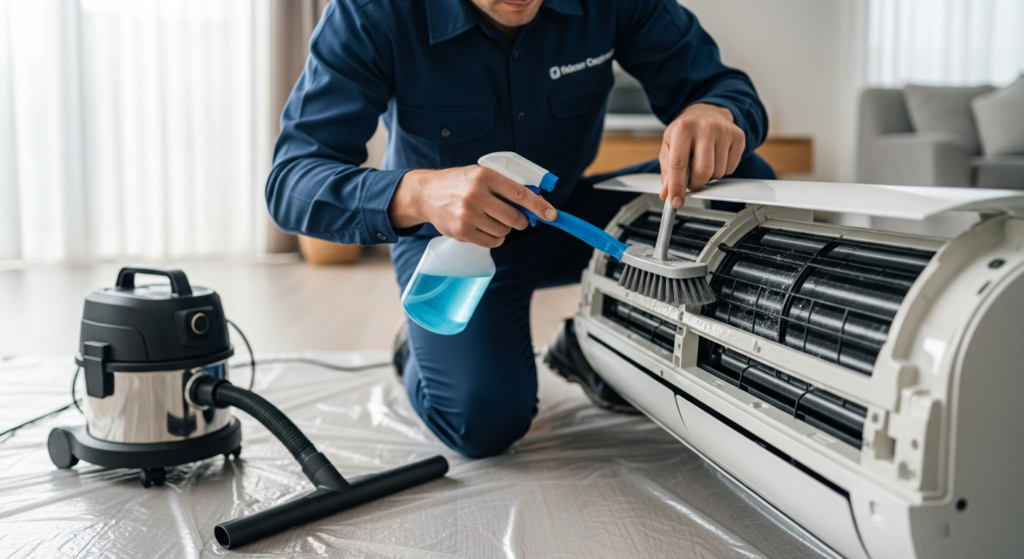
Why aircon cleaning and aircon maintenance matter in Singapore
Singapore’s tropical climate means air conditioners run year-round. That constant use accelerates dust build-up, mould growth and wear on components. Regular aircon cleaning and timely aircon maintenance keep units efficient, reduce electricity bills and protect indoor air quality—critical for homes, HDB flats, condos and office environments.
Beyond comfort, routine maintenance extends equipment life and helps avoid costly breakdowns during Singapore’s hottest months. For commercial sites, well-maintained systems also support occupant productivity and comply with safety and hygiene expectations.
Key benefits of regular cleaning and maintenance
- Improved energy efficiency: Clean coils and filters enable better heat exchange, lowering energy consumption.
- Better indoor air quality: Removing dust, pollen and mould reduces allergens and odours.
- Lower repair costs: Small issues discovered during maintenance are cheaper to fix than emergency repairs.
- Longer service life: Routine maintenance can add years to compressors, fans and electronic controls.
- Warranty compliance: Many manufacturers require scheduled servicing to keep warranties valid.
Singapore-specific challenges to address
Humidity, frequent use and urban dust mean particular problems for local units: mould in drain trays and coils, faster filter clogging, and corrosion in older outdoor units near the coast. Aircon systems in multi-storey office blocks or commercial buildings may also be VRF/VRV systems that need specialist servicing approaches.
DIY aircon cleaning: quick steps homeowners and office managers can do monthly
Regular simple cleaning keeps airflow healthy between professional services. For split-unit systems these monthly tasks are quick and effective:
- Turn off the power at the wall switch and circuit breaker.
- Remove and vacuum or wash the reusable filters. Let them dry fully before reinstalling.
- Wipe the indoor unit casing and remote control with a damp microfiber cloth.
- Check the condensate drain for blockages. A shallow, flexible brush or pipe cleaner can help clear algae build-up.
- Inspect the outdoor condenser: remove leaves, clear nearby obstructions and ensure adequate airflow.
Note: avoid spraying water into the PCB area or attempting deep coil cleaning unless you have experience. For deeper cleaning use protective covers or book a professional service.
When to call a pro: recommended frequency and scope
- Light-use domestic units: professional servicing every 6–12 months.
- Heavy-use homes or small offices: every 6 months.
- Commercial or centralised systems (VRF/VRV, AHUs): quarterly to biannual inspections and specialist cleaning.
A professional service typically includes:
– Full internal coil and blower cleaning
– Chemical wash for evaporator and condenser coils if needed
– Drain line flushing and anti-mould treatment
– Refrigerant checks and leak detection
– Fan and motor inspection, lubrication if required
– Electrical, thermostat and safety control checks
For reliable professional help and comprehensive mould removal services, consider a specialist provider for thorough aircon cleaning.
Mould prevention and removal — a top priority in humid climates
Mould thrives in warm, humid conditions and can hide inside coils, drip trays and ducts. Preventive measures:
– Keep filters clean and dry.
– Ensure condensate drains slope correctly and flow freely.
– Run the fan mode for a few minutes after cooling to dry the evaporator.
– Use periodical biocidal treatments during professional servicing where appropriate.
Severe mould infestations require specialist treatment and sometimes component replacement. For commercial properties needing expert handling of large or complex systems, a dedicated commercial aircon service is advisable.
Smart trends in 2026 affecting aircon maintenance
- IoT and remote monitoring: Many newer systems report performance metrics (run hours, refrigerant pressure, error codes) to apps, enabling predictive maintenance and fewer unplanned outages.
- Inverter and low-GWP refrigerants: Widespread adoption of inverter compressors and R32 or other low-GWP refrigerants improves efficiency but also means technicians must be trained on newer refrigerant handling.
- Contactless servicing and subscription plans: Tech-enabled providers now offer scheduled visits, digital reports and maintenance subscriptions to spread costs and ensure regularity.
- UV-C and anti-microbial coatings: Some pros incorporate UV treatments or anti-microbial sprays as part of deep cleans—use reputable providers and confirm safety for occupied spaces.
If you want to upgrade or maintain systems with a focus on smart control and lower running costs, look into providers that offer integrated monitoring with routine aircon servicing.
Choosing between DIY cleaning and professional maintenance
DIY is useful for routine upkeep, but professionals have the tools and chemicals to clean coils, treat mould safely and test refrigerant and electrical systems. Consider professional service when:
– Your unit has persistent odours or visible mould.
– Cooling performance drops despite clean filters.
– You notice leaks, hissing sounds or circuit tripping.
– It’s been more than 12 months since the last full service.
For budget-conscious households, look for reputable affordable options—many companies now offer competitive packages and transparent pricing for cheap aircon cleaning.
Commercial aircon maintenance: a checklist for offices and property managers
- Maintain service logs and run-hours for each unit.
- Schedule preventive maintenance during off-peak hours to minimise disruption.
- Test and calibrate thermostats and building management systems regularly.
- Keep outdoor units clear of debris and vegetation.
- Ensure service contractors follow workplace safety and induction procedures.
Large sites benefit from a service partner familiar with building systems and compliance—seek companies with proven commercial aircon service experience.
Typical costs and what affects price in Singapore (2026)
Prices vary by unit type and service depth. Indicative ranges:
– Basic one-off cleaning (domestic split): SGD 60–150 (filters, surface clean).
– Full chemical clean and mould treatment: SGD 150–350 per unit depending on accessibility.
– VRF/centralised system inspections: price varies widely—obtain quotes from certified contractors.
– Subscription or maintenance plans: monthly or annual packages can reduce per-visit costs and ensure regular checks.
Factors that increase cost: hard-to-access units, heavy mould contamination, refrigerant top-up or repair parts, and specialised centralised system work.
What to expect during a professional visit
A professional technician should:
– Provide a clear quotation and scope before work starts.
– Power down the system safely and protect your floor and furnishings.
– Remove, clean and replace filters; clean coils and blower wheels.
– Flush and disinfect drains if needed, and test condensate pans.
– Check refrigerant levels, electrical connections and controls.
– Leave a service report detailing findings and recommended follow-ups.
If you prefer digital convenience, select providers offering detailed electronic reports and follow-up reminders—many modern firms provide smart aircon cleaning hacks and advice as part of the service.
Simple seasonal maintenance calendar for Singapore
- Monthly: Clean filters and inspect outdoor unit for debris.
- Every 6 months: Professional check for heavily-used units; clean condensate lines and apply anti-mould treatment as needed.
- Annually: Full professional servicing including coil chemical clean, electrical inspection and refrigerant test.
- After storms or prolonged rain: Inspect outdoor unit for water ingress, corrosion and blockages.
Final checklist for homeowners and office managers
- Keep a calendar of service dates and technician contacts.
- Use washable filters for quick monthly maintenance.
- Consider an annual contract or subscription for consistency.
- Ask for itemised reports to track recurring issues.
- Verify technician certifications for refrigerant handling and large-system work.
Closing practical notes
Routine aircon cleaning and aircon maintenance are cost-effective ways to boost comfort, lower bills and protect health in Singapore’s humid climate. A balanced routine of monthly DIY care and scheduled professional servicing ensures reliable performance and keeps systems running efficiently into 2026 and beyond.
For options that combine mould removal, commercial expertise and affordable packages, explore reputable service providers with transparent pricing and modern maintenance plans linked above.