2026 Singapore Aircon Maintenance And Installation Rates
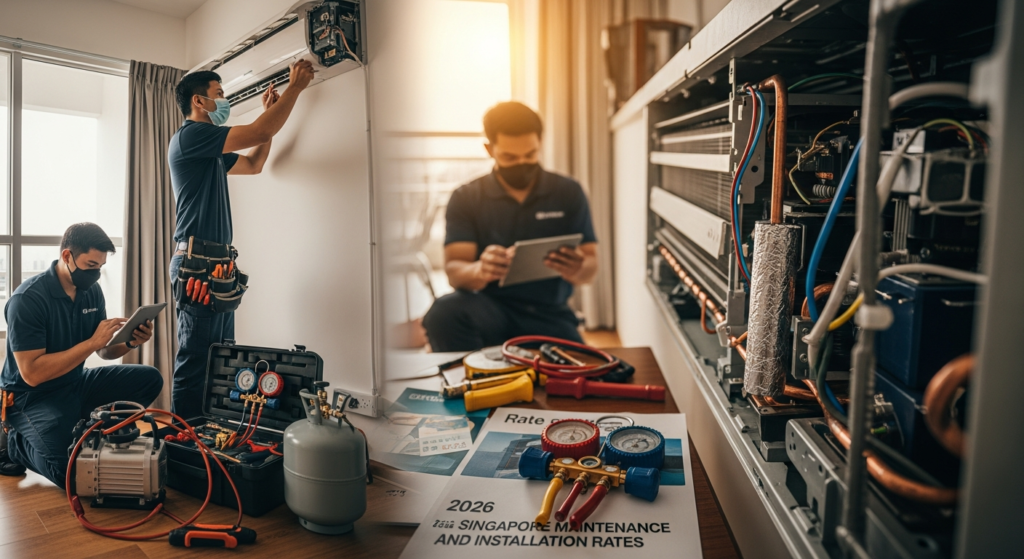
Overview
Singapore’s hot, humid climate keeps air conditioning systems working hard year-round. For homeowners and office managers, understanding 2026 aircon maintenance and aircon installation rates helps plan budgets, reduce breakdowns and keep energy bills down. This guide breaks down typical costs, explains what affects pricing, and gives practical tips to get the best value from servicing and new installations.
What affects aircon maintenance and installation costs?
Several variables determine the final price for both maintenance and installation:
- Unit type and capacity: Window units, split systems, multi-split, ducted systems and VRV/VRF systems vary widely in cost and complexity.
- Age and condition: Older units need more parts and labour; chemical overhauls are common for neglected systems.
- Accessibility: Installing or servicing condensers on high-rise balconies or requiring scaffolding/cranes increases cost.
- Refrigerant type: R32, R410A and older refrigerants differ in price and availability; leak repairs and recharge costs vary accordingly.
- Pipe length and electrical work: Longer piping, copper costs and upgrade of distribution boards or isolating switches add to installation totals.
- Warranty and parts: OEM parts and manufacturer warranties raise costs but reduce long-term risk.
- Regulatory and building constraints: HDB rules, condominium guidelines and safety permits affect where and how outdoor units can be placed.
For chemical overhauls and deeper maintenance needs in Singapore, compare typical chemical overhaul price points at this dedicated cost page: aircon maintenance chemical overhaul cost.
2026 Typical price ranges (SGD)
Note: prices are indicative ranges for Singapore in 2026. Final quotes depend on the factors above and vendor promotions.
- Basic servicing (filter cleaning, blower check, general inspection): $50–$120 per indoor unit. Offices often pay per unit or opt for a scheduled contract.
- Chemical overhaul / deep clean (includes thorough internal cleaning of indoor and outdoor coils): $150–$350 per indoor unit; larger or heavily soiled units can be $350–$450.
- Refrigerant top-up / leak repair: $80–$220 depending on refrigerant type and leak complexity.
- Compressor replacement: $400–$1,200+ depending on the compressor model and unit size.
Installation (supply + installation, residential single split):
– 1.0–1.5 HP wall-mounted split: $450–$1,200 (includes basic piping up to ~4m). Extra piping: $50–$120 per metre.
– 2.0–2.5 HP unit: $800–$1,500 depending on brand and complexity.
– Multi-split systems (multiple indoor units to one outdoor): $1,000–$1,800 per indoor unit on average, depending on system complexity.
– Ducted systems (residential): $3,000–$8,000+, highly dependent on layout and ductwork.
– VRF / VRV commercial systems: $10,000+ for small systems and much higher for large office installations.
Other costs:
– Mounting brackets, PPE and outdoor works: $80–$400 depending on height and method.
– Electrical upgrades (new circuit breaker, wiring): $100–$400.
– Permit/crane (for high-rise condenser placement): $300–$1,200+.
For a full service and repair perspective, this aircon repair and servicing guide is a useful reference: aircon repair and servicing guide.
Recommended maintenance frequency by use-case
- Homes (HDB/Condo/Landed): Basic service every 6–12 months; chemical overhaul every 12–24 months depending on use and indoor air quality.
- Offices and commercial spaces: Basic servicing every 3–6 months due to higher run hours; annual chemical overhaul is common, and heavy-use systems may need deep cleaning twice a year.
- High-sensitivity environments (server rooms, clinics): Quarterly to monthly checks and immediate servicing after any anomalies.
Routine servicing reduces the need for costly repairs and helps maintain efficiency. Well-maintained units can operate 10–20% more efficiently than neglected ones, translating to meaningful energy savings.
Installation checklist and best practices
A smooth installation avoids hidden costs and future headaches. Use this checklist during quotes and site surveys:
- Site survey: Confirm available outdoor space, possible condenser locations and noise restrictions.
- Load calculations: Match unit capacity to room size (avoid under- or oversizing).
- Piping and wiring route: Clarify pipe length allowances and additional conduit work.
- Drainage: Ensure condensate drains have correct fall and trap points.
- Permits & compliance: Check HDB or condo management rules for external units and brackets.
- Noise and vibration: Ask contractors about anti-vibration pads, sound ratings (dB) and quiet-mode options.
- Warranty transparency: Request written warranty periods for parts and labour.
Work with reputable installers and compare bundled packages that include aftercare and scheduled servicing. Many of the top-rated teams also provide turnkey options; learn more about established providers and what to expect from “best aircon servicing” professionals here: best aircon servicing and installation experts.
Maintenance tips that cut costs and extend lifespan
- Clean or replace filters monthly for dusty environments; this is the quickest DIY step to improve efficiency.
- Keep outdoor condensers free from debris and maintain airflow around units.
- Run service checks before and after monsoon seasons to catch corrosion early.
- Use timers and thermostats wisely — set temperatures to balance comfort and energy use (around 24–26°C is commonly recommended).
- Consider inverter models for new installs; they cost more upfront but offer better seasonal efficiency and lower running costs.
- For residential chemical cleaning best practices and what homeowners should expect, see: residential aircon chemical cleaning tips.
Regular preventive maintenance delays major failures and avoids expensive emergency callouts. Bundled annual packages often deliver the best long-term value for both houses and offices.
Where you can save — and where you shouldn’t cut corners
Savings opportunities:
– Bundle installation with a maintenance package to get discounted servicing rates in subsequent years.
– Book off-peak promotions; many vendors run seasonal discounts between mid-year and year-end.
– Compare itemised quotes: cheaper quotes may hide add-ons like extra piping or bracket charges.
Areas not to undercut:
– Cutting corners on electrical work and safety compliance can cost far more later.
– Avoid technicians without clear warranty coverage or trade references.
– Very cheap chemical cleans may use poor detergents that harm coils; balance price with quality.
If price is a major constraint, review verified inexpensive options but be cautious — cheaper servicing can mean shorter warranties or incomplete cleans. Compare local options including verified low-cost providers: cheap aircon servicing.
Quick decision guide: Homeowner vs Office managers
Homeowners:
– Prioritise quiet, efficient inverter models and an annual chemical clean.
– Schedule basic servicing every 6–12 months.
– Factor in HDB/condo installation rules and potential crane costs for high-floor placements.
Office managers:
– Choose maintenance contracts with guaranteed response times and parts availability.
– Schedule more frequent filter checks and at least annual chemical overhauls.
– Consider centralized systems (ducted or VRV) for large spaces and ensure a maintenance SLA is in place.
Final notes and next steps
Keep records of all servicing and installation paperwork: invoices, warranties, refrigerant logs and service dates. These documents protect you if a unit fails within warranty or if you need to claim under a building insurance policy.
Budget with a buffer: include 10–20% contingency on quoted installation costs to cover unexpected piping or electrical work. Regular preventive maintenance not only keeps occupants comfortable but can reduce lifecycle costs and environmental impact by maintaining energy efficiency.
Armed with realistic 2026 pricing ranges, a clear maintenance plan and a concise installation checklist, homeowners and office managers in Singapore can make confident choices that balance cost, comfort and long-term performance.