Aircon Chemical Overhaul And Cleaning Tips Singapore 2026
Why this guide matters in Singapore 2026
Singapore’s hot, humid climate makes air conditioning a household and office essential. In 2026, with rising electricity costs, stricter environmental rules and growing awareness of indoor air quality, owners must move beyond occasional filter cleaning. Proper maintenance — especially a thorough aircon chemical overhaul and regular aircon cleaning — keeps units efficient, reduces breakdowns and protects occupants’ health.
This article explains what a chemical overhaul is, when you need it, practical aircon cleaning tips for homeowners and offices, safety and environmental considerations, and how to choose a reliable service partner.
What is an aircon chemical overhaul? (and how it differs from routine cleaning)
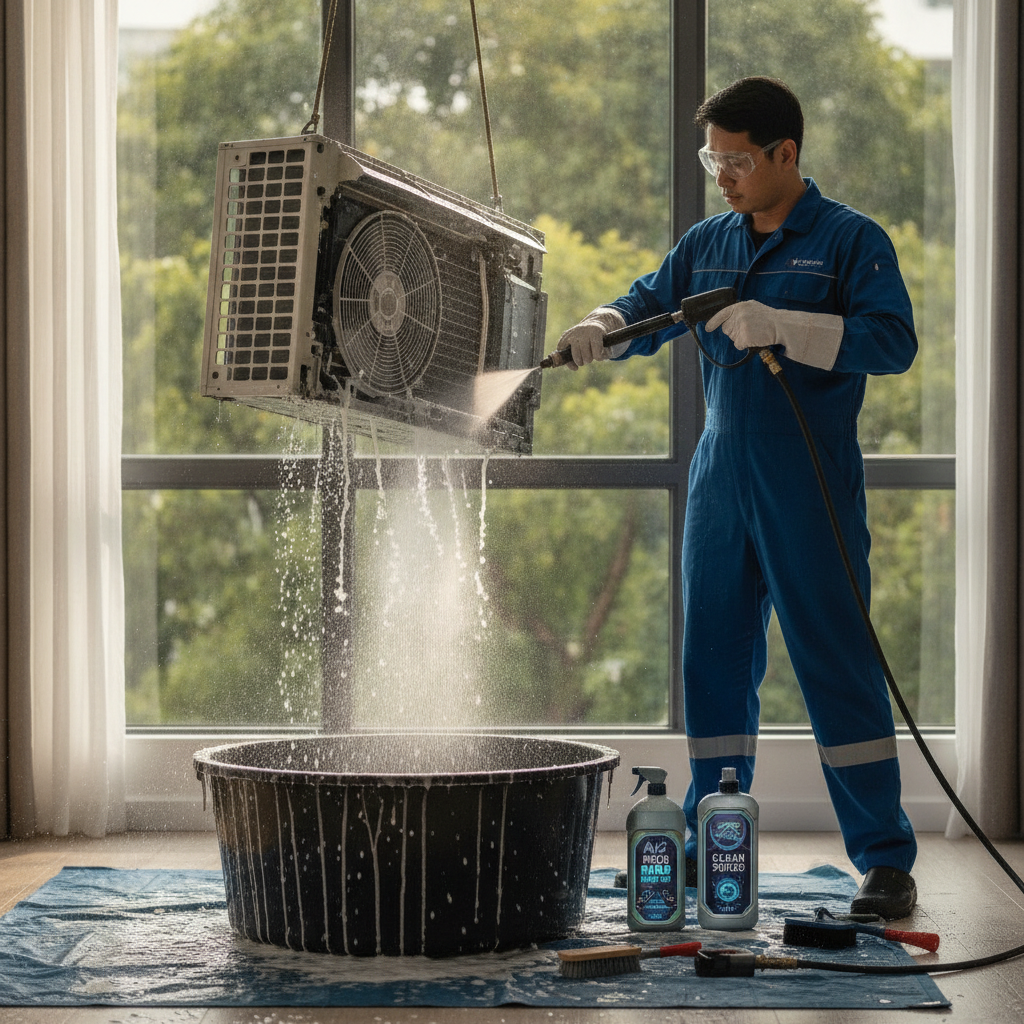
An aircon chemical overhaul is a deep professional service that goes beyond removing dust from filters. It typically includes:
- Full chemical wash of evaporator coils and fins to remove grease, biofilm and stubborn grime
- Chemical cleaning of condensate trays, drain lines and internal casings
- Flushing and sanitising of internal components where safe and appropriate
- Inspection and testing of refrigerant levels, compressor health and electrical connections
Routine aircon cleaning (filter washing, external coil brushing, and basic drip tray clearing) is something homeowners or facility teams can do more frequently. A chemical overhaul targets internal contamination and performance loss that basic cleaning cannot correct.
Signs your unit needs a chemical overhaul
Look out for these warning signs — they indicate carbon buildup, biofilm, or blocked coils that reduce efficiency:
- Weak airflow despite fan running at normal speed
- Foul, musty or moldy smell when the unit starts
- Higher than normal electricity bills with unchanged usage
- Frequent icing on the evaporator coil or frequent water leaks
- Allergies or respiratory discomfort reported by occupants
If several signs appear, schedule a professional evaluation rather than relying solely on DIY cleaning.
Typical steps in a professional chemical overhaul
Understanding the standard process helps you know what to expect and to avoid shortcuts:
- Pre-inspection and cost estimate: The technician inspects for leaks, refrigerant levels and structural issues.
- Disassembly: Panels, filters and serviceable parts are removed for access.
- Chemical application: Approved cleaning agents are applied to evaporator coils, fins and contaminated areas to dissolve grime and biological deposits.
- Rinsing and extraction: Rinse water and dissolved contaminants are flushed into safe collection, avoiding drainage contamination.
- Drainline and tray sanitisation: Condensate paths are cleared and treated to stop mold regrowth.
- Reassembly and performance test: The unit is reassembled, refrigerant checked, and run-tested for airflow and temperature improvement.
Note: Refrigerant handling, compressor work and major repairs should always be done by licensed professionals.
Aircon cleaning tips homeowners can do safely
Regular, simple maintenance can extend the time between overhauls and keep performance steady:
- Clean filters monthly (biweekly in heavy-use areas). Use mild detergent, rinse and fully dry before reinstalling.
- Wipe external panels and check vents for blockages. Keep furniture and curtains clear of airflow paths.
- Keep the area around the outdoor condenser unit clear of debris and at least 30 cm free on all sides for airflow.
- Use a soft brush or vacuum with a brush attachment to remove visible dust from vents and grills.
- Monitor condensate drain pans monthly for standing water or slime; flush with mild vinegar solution if safe and accessible.
For apartments with limited access to indoor coil areas, avoid forcing open sealed casings. That work should be left to technicians.
Office/Commercial maintenance: checklist and frequency
Offices require a more structured regime because of longer operating hours and more occupants:
- Weekly: Inspect and empty any visible drip trays; confirm filters are clean.
- Monthly: Clean accessible filters and vents; log operating hours for each unit.
- Quarterly: Inspect condensate lines and test thermostats and controllers.
- Annually (or every 1–2 years depending on load): Schedule a professional chemical overhaul for indoor units and comprehensive servicing for outdoor units.
Large offices with centralised systems should develop an asset register and maintenance calendar, and consider a service contract that guarantees response times for failures.
DIY vs professional chemical overhaul: when to hire experts
Choose a professional if any of these apply:
- You detect electrical smell, refrigerant leak, or compressor faults.
- The unit is leaking significant amounts of water inside or outside.
- It has not had a deep service in 12–24 months, or you notice persistent odours.
- The indoor coil is inaccessible without professional disassembly.
DIY cleaning is fine for filters, basic external cleaning and monitoring. But chemical agents, coil rinsing and refrigerant work need certified technicians to avoid damage, voiding warranties or environmental harm.
Cost expectations and budgeting (Singapore 2026)
Costs vary with unit type, age and accessibility. Typical ranges in 2026:
- Basic filter and exterior clean (homeowner or service tech): $30–$80 per unit
- Thorough professional cleaning (no chemical overhaul): $80–$160 per unit
- Full aircon chemical overhaul for split units: $180–$400 per unit
- Cassette or ducted system chemical overhauls: $300–$800+ depending on complexity
For offices, bulk contracts often reduce per-unit pricing and include preventive inspections. Consider total cost of ownership: a properly serviced unit runs more efficiently and can save 10–30% in electricity over a season.
Safety and environmental considerations
Chemical overhauls use cleaning agents that must be handled, diluted and disposed of responsibly:
- Use only technicians who follow MSDS guidelines and wear PPE (gloves, goggles, respirator when necessary).
- Ensure contractors capture rinse water and dispose of it according to local regulations to prevent drain contamination.
- Confirm refrigerant handling is by licensed technicians to prevent illegal release and comply with regulations on low-GWP refrigerants.
- Consider services that use less-toxic or biodegradable cleaning agents when available.
2026 trends — efficiency, green refrigerants and smart maintenance
Key trends affecting aircon maintenance in Singapore:
- Energy efficiency mandates and higher electricity costs are pushing owners to invest in preventive maintenance and inverter upgrades.
- Transition to lower-GWP refrigerants (R32 and beyond) is influencing repair and servicing practices.
- Smart sensors and IoT-enabled aircons allow remote monitoring of run hours, refrigerant performance and fault codes, enabling predictive maintenance and fewer emergency repairs.
- Indoor air quality (IAQ) focus: offices are prioritising HVAC sanitisation and filtration upgrades (HEPA/UV or bipolar ionisation) to improve occupant health.
When contracting services, look for companies offering digital maintenance logs, remote diagnostics and transparency around refrigerants used.
How to choose a reliable service provider
Ask these questions before engaging a contractor:
- Are you licensed and insured to handle refrigerants and electrical work?
- Do you provide a detailed scope and itemised quote before starting?
- Which chemicals do you use, and can you provide MSDS sheets?
- Do you offer warranties on workmanship and parts?
- Can you provide references or customer reviews plus a digital maintenance report after service?
Compare at least three quotes. Beware of unusually low prices that skip essential steps or replace parts unnecessarily.
(For businesses and homeowners seeking vetted service options with transparent pricing and promotional packages, check reputable local company pages for comparison.)
Quick checklist for homeowners and offices before a service visit
- Note recent symptoms: odd sounds, smells, water leaks, or inefficiency.
- Clear access to both indoor and outdoor units.
- Turn off the unit and record the model and serial number for the technician.
- Prepare a list of units and preferred time windows for servicing.
- Ask for a written report and energy-efficiency recommendations post-service.
For those seeking cost-effective options and promotions for regular servicing and chemical overhaul packages, reputable local sources offer seasonal promos and same-day support.
Final practical tips to prolong aircon life
- Combine regular filter cleaning with annual professional checks and a chemical overhaul every 1–2 years depending on usage.
- Keep outdoor condensers shaded but ensure airflow isn’t blocked.
- Use smart thermostats and timers to avoid unnecessary run hours during unoccupied periods.
- Track energy usage and service history — digital logs help spot declining performance early.
Well-maintained air conditioning in Singapore is not just about comfort — it’s about lowering operating costs, improving indoor health and complying with environmental best practices. Regular aircon cleaning combined with periodic aircon chemical overhaul protects your investment and keeps homes and offices cool, efficient and healthy.