Aircon Servicing Singapore And Repair Checklist 2026
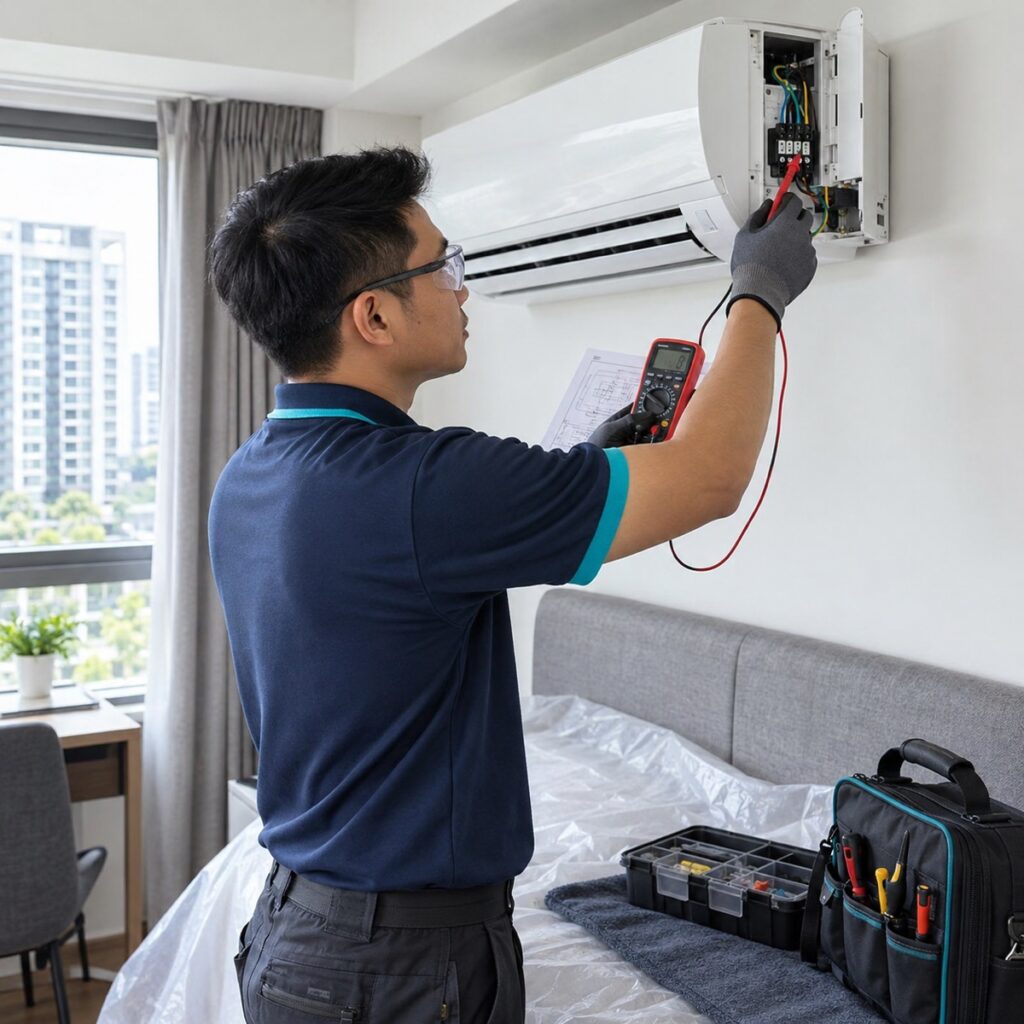
Quick overview

Singapore’s climate makes aircon an essential home and office appliance. Regular aircon servicing Singapore and timely aircon repair Singapore not only maintain comfort but also cut energy bills, extend unit life and reduce unexpected downtime. This 2026 checklist covers what to inspect, when to call a pro, cost expectations, and how to pick reliable technicians for both residential and commercial settings.

Why scheduled servicing matters in 2026

  • Energy efficiency: Dirty coils and clogged filters force compressors to work harder. Regular servicing restores efficiency and lowers electricity spend—key in an era of higher energy awareness.
  • Indoor air quality: Singapore’s humidity encourages mould and bacterial growth in cooling systems. Servicing improves air quality for occupants.
  • Avoid costly breakdowns: Small refrigerant leaks or electrical faults can escalate into compressor failures. Preventive maintenance reduces major repair needs.
  • Regulatory and environmental trends: Newer low-GWP refrigerants and safety rules make licensed servicing more important than ever.

Recommended servicing frequency

  • Split units (residential): Basic servicing (clean filters, inspect drains) every 3 months; full servicing (coils, blower, refrigerant test) every 6–12 months.
  • Multi-split / cassette / VRF (offices): Quarterly checks and semi-annual full servicing.
  • Chemical overhaul and deep cleaning: Every 24 months for units with heavy usage or noticeable odour. For guidance on thorough cleaning procedures, consult a specialist experienced in chemical overhaul and deep cleaning.

Pre-servicing checklist for homeowners and office managers

  • Note performance changes: reduced airflow, strange smells, more noise, or higher power bills.
  • Clear surrounding area: give technicians access to outdoor condenser and indoor units.
  • Prepare warranty and model details: have purchase receipts and serial numbers ready.
  • Identify high-priority areas: server rooms, meeting rooms or bedrooms require faster turnaround.

Full servicing & repair checklist (what professionals should do)

  1. Visual inspection
  2. Exterior damage, mounting, vibration, and pipe insulation.
  3. Filters and indoor cleaning
  4. Remove, wash or replace filters; check for microbial growth.
  5. Evaporator and condenser coil check
  6. Clean coils; inspect for corrosion, blockages, or frost.
  7. Fan/blower and belt inspection
  8. Clean and lubricate motors; test fan balance and speed.
  9. Condensate drain and pan
  10. Clear blockages; treat pans to prevent mould; check for water leaks that can damage ceilings/walls.
  11. Refrigerant level and leak test
  12. Measure pressures and temperatures; perform electronic leak detection. Low refrigerant often indicates a leak that requires repair.
  13. Compressor and electrical systems
  14. Check contactors, capacitors, relays, wiring, and safety switches. Test start-up current and protective devices.
  15. Thermostat and control check
  16. Ensure sensors and controls are calibrated and respond properly; update smart-control software if available.
  17. System performance test
  18. Measure supply/return temperature split, airflow and run a load test to validate performance.
  19. Report & recommendations
  20. Good technicians provide a written service report, photos of issues, and clear costed repair options.

Quick DIY checks you can do safely

  • Clean or replace washable filters monthly for heavy use.
  • Wipe outdoor unit fins clear of leaves and debris.
  • Ensure thermostat batteries are fresh and set correctly.
  • Listen for unusual noises and note when they started.
    DIY is helpful for basic upkeep, but refrigerant handling and electrical repairs require a licensed technician.

Common repairs and typical Singapore price ranges (2026 estimates)

(Note: prices vary by unit type, location and job complexity)
– Filter replacement / basic service: SGD 30–80 per indoor unit.
– Full service (includes coil clean, drain clear, basic tests): SGD 80–200 per unit.
– Chemical overhaul (deep clean): SGD 200–450 per unit depending on model.
– Refrigerant top-up (no leak): SGD 80–250 depending on refrigerant type and amount.
– Leak detection and repair: SGD 150–600+ depending on access and pipework.
– Compressor replacement: SGD 700–2,000+ depending on make, model, and warranty.
– Fan motor or PCB replacement: SGD 150–700.
For residential-specific scenarios and real-case guidance, look into trusted residential aircon repair expertise.

Emergency repair steps for homeowners & offices

  • Turn off the unit at the breaker if you smell burning or see smoke.
  • Isolate water leaks — use buckets to catch condensate and clear electronics.
  • For sudden loss of cooling but no noise, check outdoor unit power and breakers.
  • Contact a licensed technician immediately for suspected refrigerant leaks or electrical failures.

Choosing the right service provider in Singapore (practical checklist)

  • Certifications & experience: Ask about technician certification, especially for refrigerant handling and HVAC systems.
  • Insurance & warranty: Confirm workmanship warranty and public liability coverage.
  • Transparent pricing: Request itemised quotes — labour, parts, and call-out fees.
  • Response time: For offices, prioritise companies offering SLA-based response times.
  • Reviews & referrals: Check recent customer reviews and ask for case references.
    Useful hiring advice and tips for choosing an AC company can help shortlist reliable partners.

Service contracts vs ad-hoc servicing

  • Service contracts benefit offices and multi-unit condos: scheduled visits, priority response and predictable costs.
  • Ad-hoc servicing suits low-use units or landlords with many small apartments.
  • Evaluate contracts for included parts, exclusions (e.g., compressor), and escalation procedures for major faults.
    For cost-effective ongoing care, explore options for aircon maintenance.

Energy & sustainability trends to consider in 2026

  • Inverter technology: Inverter compressors are now standard for energy savings and quieter operation.
  • Low-GWP refrigerants: Many newer units use refrigerants with lower global warming potential; servicing requires compatible procedures.
  • Smart controls: Wi‑Fi thermostats and zone control can cut energy use when paired with proper maintenance.
  • Retrofitting older units: Sometimes upgrading key components or converting to a newer refrigerant reduces long-term cost versus full replacement.
    If budget is a concern, compare providers offering the best-reviewed cheap aircon servicing while ensuring standards are met.

When to replace rather than repair

  • Frequent compressor failures or repeated refrigerant leaks.
  • Units older than 10–12 years with inefficient performance and rising electricity use.
  • Replacement makes sense when repair costs exceed 40–50% of a new unit’s price, factoring expected energy savings from a new inverter model.

How to document service and repairs (best practice)

  • Keep a digital folder with service reports, photos, invoices and part warranties.
  • Log dates, issues, and technician notes in a simple spreadsheet — this tracks recurring problems and helps warranty claims.
  • Ask technicians to label replaced parts and provide before/after photos for transparency.

Final checklist summary (printable)

  • Monthly: Clean/wash filters, check thermostat batteries.
  • Every 3 months: Basic cleaning and airflow check for heavy-use units.
  • Every 6–12 months: Full professional service (coils, electrical test, refrigerant check).
  • Every 24 months: Chemical overhaul and deep cleaning for high-use or odour issues (learn more).
  • Immediately: Call a licensed pro for electrical smell, visible leaks or sudden compressor failure.

Regular servicing and prompt repairs protect comfort, indoor air quality and building assets. For home or office systems, pair this checklist with vetted specialists who provide transparent quotes, documented service reports and clear warranties to maintain reliable cooling through Singapore’s hot seasons.

Copyrights © NEWCOOL. All rights reserved.